
Your event cost tens of thousands of pounds to run. You flew in an Olympic gold medallist to speak. Your CEO stood on a stage and delivered the most important message of the year to 400 of your best people. And someone took a few blurry shots on their iPhone.
That’s a story I hear more often than I should.
Great events deserve great photography. Not because it looks nice on Instagram, but because the images you take on the day become the evidence that it happened, the content that sells the next event, and the record that a future marketing director will be grateful someone had the foresight to commission.
This post is for marketing managers, event planners, and senior communications leads at companies that invest seriously in bringing people together. If you are organising a town hall, an investor conference, an away day with a keynote speaker, a leadership retreat, or an awards ceremony, here is what good event photography looks like, and how to make sure you get it.

Professor Greg Whyte, sports scientist and human performance expert on-stage keynote photography at a corporate event in London.
Why the images matter more than you think
Events are expensive to produce and gone in a day. Photography is how you make them last.
Think about what you actually need from the images once the event is over. Your communications team wants content for the internal newsletter and the intranet. Your marketing team needs images for the website, the next event invite, and LinkedIn. Your PR team wants one strong editorial shot that tells the story in a single frame. And your leadership team wants proof, visual proof, that the day landed, that people were engaged, and that the investment was worth it.
Events involving high-profile keynote speakers carry particular weight. When you bring in someone like an Olympic athlete, a business author, or a broadcaster, those images carry credibility that no stock photo can replicate. A photograph of your brand alongside that person, in your space, with your audience engaged, is a powerful thing.
There is also the question of future-proofing. The company that photographed their 2019 leadership conference properly has a visual archive to draw from in 2026. The one that did not is starting from scratch every time.
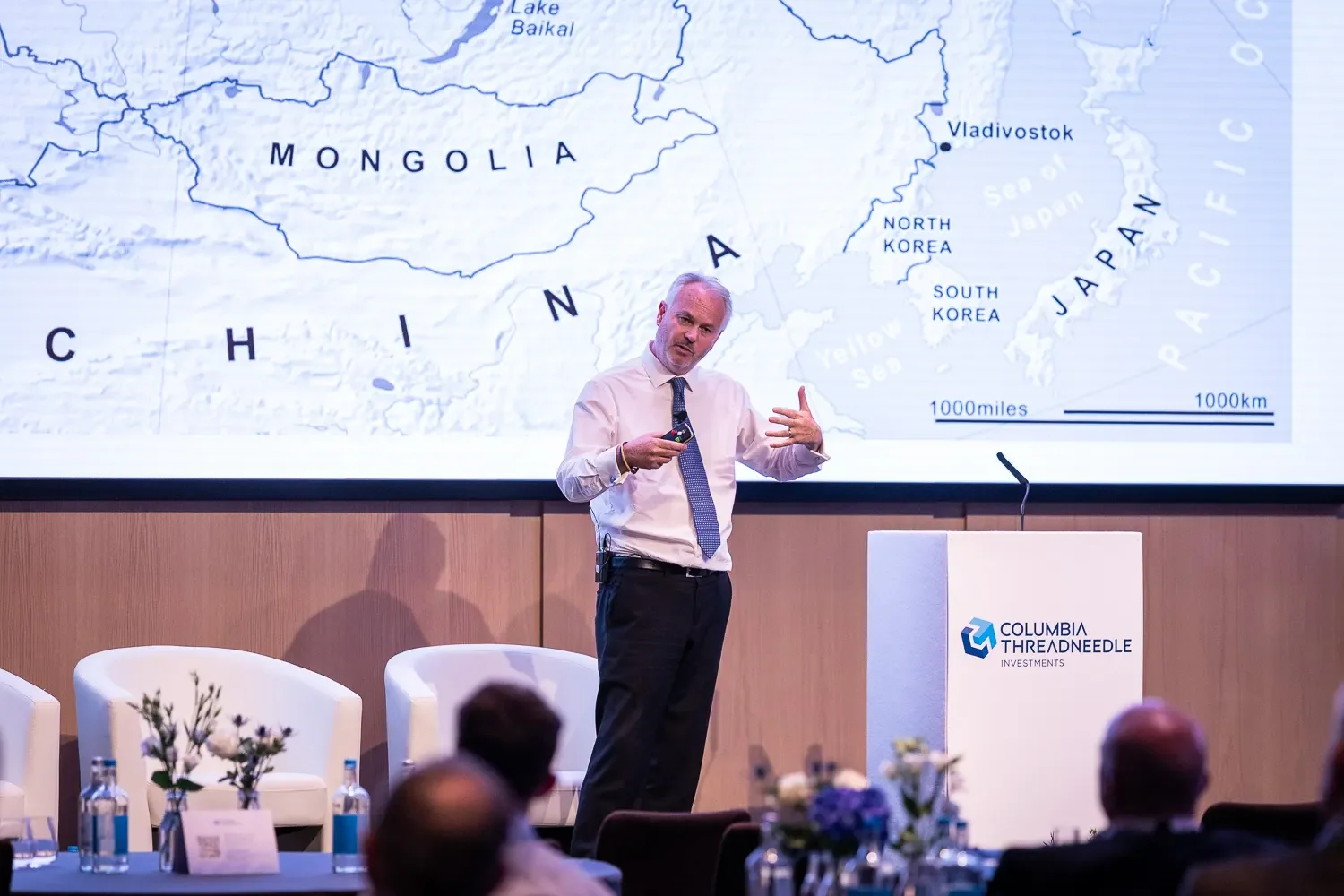
Conference speaker photography at a corporate event in London.
Planning the shoot: what to agree before the day
Good event photography does not happen by accident. The best results come from a proper pre-event conversation, usually 30 minutes on a phone call or a brief written exchange, where the photographer understands the day, the venue, and what you need.
Here’s what should be covered:
The brief. What does success look like? Is the priority the keynote speaker on stage, the audience reaction, the room atmosphere, the networking moments, or a mix? Who is the photography for, internal use, press, or both? Will images be used in print or just digital?
The run of show. A detailed schedule is essential. When does registration open? When does the first session start? When is the break? When is the keynote? If there’s an awards segment, when are the names announced? Knowing the timings means the photographer is in the right place at the right moment, not still setting up when the headline speaker takes the stage.
Access. Can the photographer move freely around the room? Is there a restricted press pit, or can they work from multiple positions? For panel discussions and interviews, is there a seat reserved at the front? Will they have access backstage or in the green room for pre-event portraits?
The shot list. Every event should have one. Think of it as the minimum requirement, a list of images that must exist by the end of the day. Typical items include: wide establishing shots of the full room before it fills; the speaker on stage from multiple angles; close-up portraits in natural moments; audience engagement shots (listening, laughing, raising hands); any panel discussions or Q&A; breakout sessions or workshops; networking moments over coffee; any awards, certificates, or handshakes; signage, branding, and any branded materials.
Technical considerations. Corporate venues are not always photography-friendly. High ceilings with poor overhead lighting, mixed warm and cool light sources, projection screens that blow out exposure, these are all manageable with the right equipment, but they are worth flagging in advance. A site visit is not always possible, but venue photos or a floor plan help.
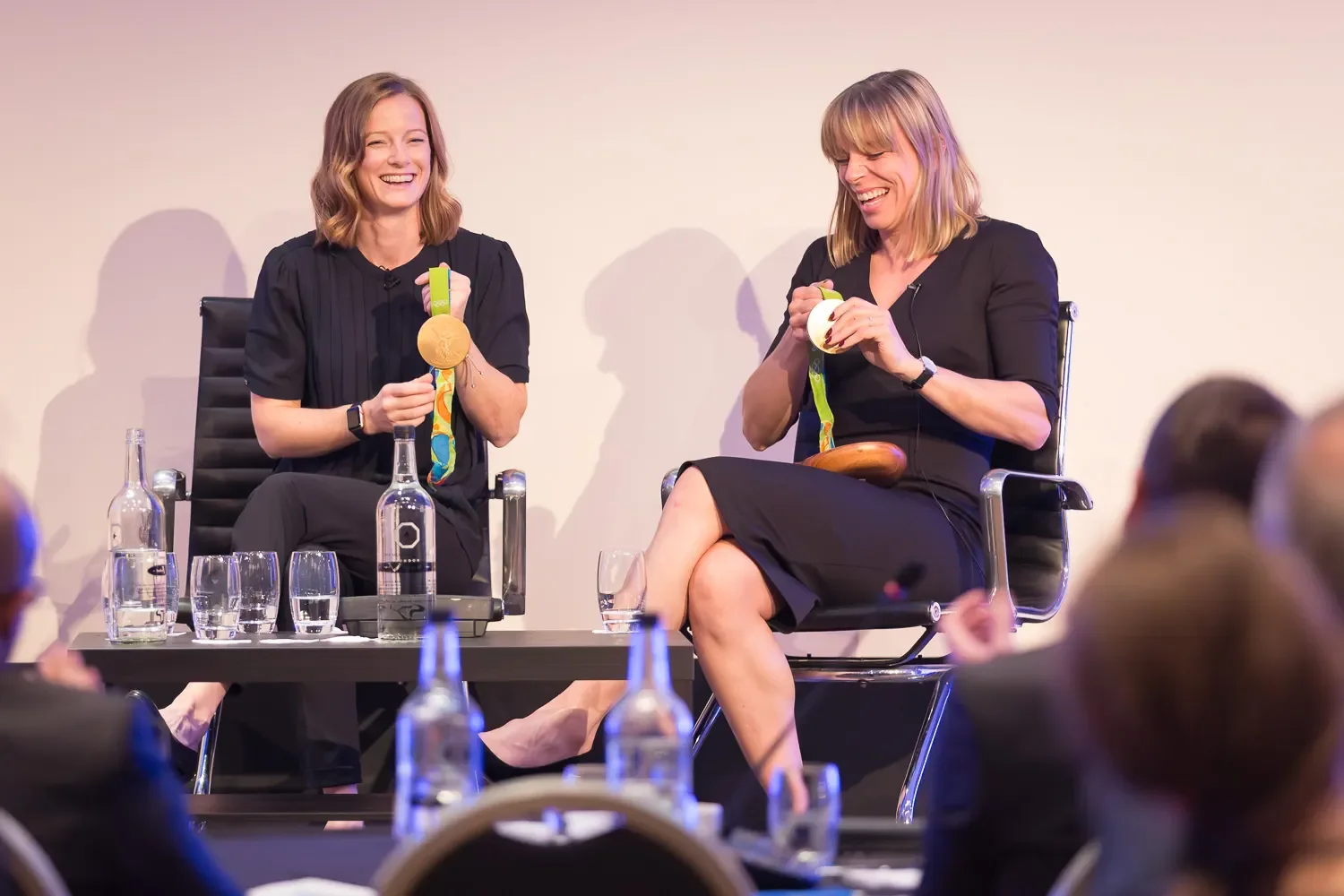
Capturing authentic moments at a keynote speaker event in London. Kate and Helen Richardson-Walsh, Olympic Gold medalist hockey players.
On the day: what good event photography looks like in practice
For a full-day conference or keynote event in London, I typically arrive 45 to 60 minutes before doors open. That time is used to walk the room, test the light, and work out where to position for the key moments.
The best event images are a mix of three things: wide-angle environmental shots that show the scale and atmosphere of the room; mid-range shots that place the speaker in context; and close portraits that capture expression and presence. A single wide shot of a speaker on stage in front of 300 people tells a very different story from a tight portrait showing their face in mid-sentence. You need both.
Audience shots are often undervalued. A room full of senior leaders, genuinely engaged, leaning forward, is a powerful image. It validates the event, confirms that people were present and paying attention, and provides human context around the speaker.
Candid moments, the handshake after the session, two colleagues talking over lunch, someone checking their notes before they walk on, are often the most useful images in the edit. They feel real, because they are.
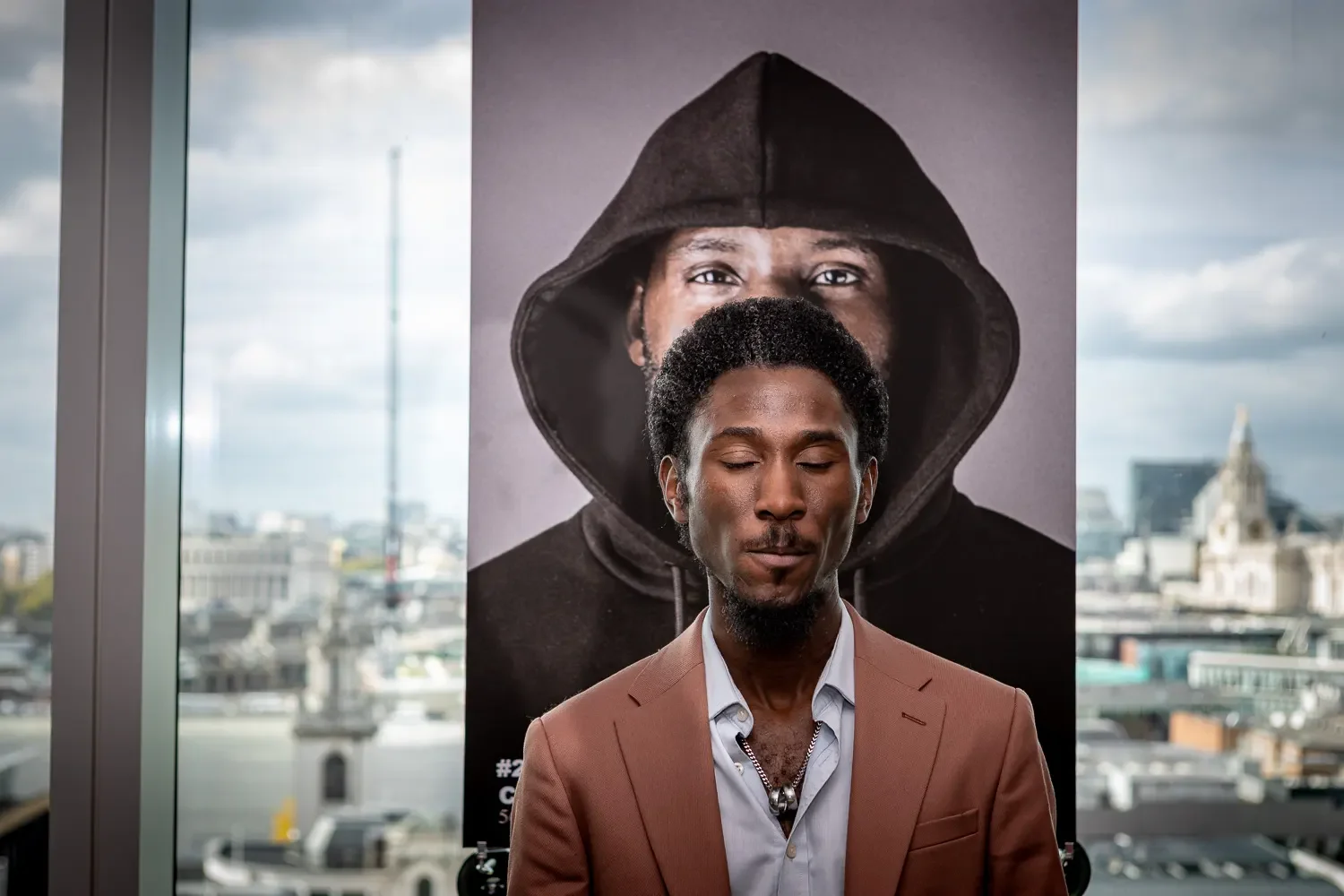
Cephas Williams, social entrepreneur, artist, photographer, campaigner and Speaker. A portrait photography at a corporate event in London.
Deliverables: what you should expect to receive
For a full-day event, a reasonable deliverable is 100 to 300 fully post-processed images, delivered within 24-48 hours. For a half-day event or a shorter keynote session, expect 80 to 150 images.
All images should be delivered in high-resolution JPEG format, suitable for print and digital use. If the brief calls for it, a web-optimised set at reduced file size can be included alongside. Files should be labelled clearly so your team can identify content without opening every image.
If you have a specific deadline, say, a press release going out the following morning, a same-day turnaround on a small selection of priority images is usually possible. Agree this in advance rather than assuming.
A private online gallery is the cleanest way to receive and share images. Your team can review, download, and forward directly without juggling email attachments.
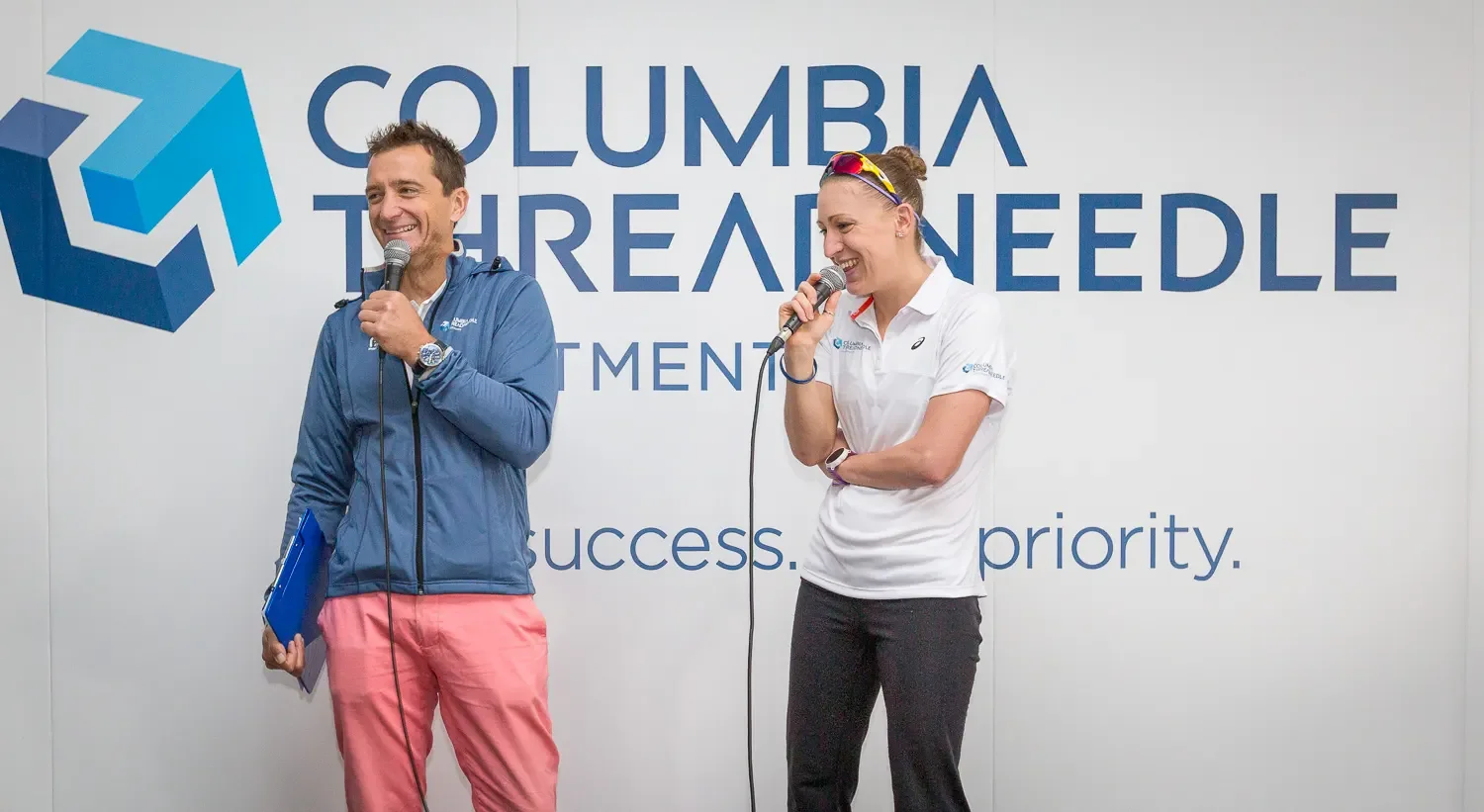
London corporate event. Candid speaker photography of Graham Bell, British downhill skier and Jodie Stimpson, British triathleteat at the ITU, Hyde Park, in London.
What makes London different
London is one of the world’s great cities for corporate events, and the venues reflect that. The financial district alone has some of the most visually interesting event spaces in Europe, column-free rooms with floor-to-ceiling glass, Thames views, exposed brick, high-spec AV installations.
I have photographed events at venues across the City, Canary Wharf, the West End, and beyond, from intimate 30-person leadership briefings to 500-seat investor conferences. The location matters less than the preparation. A room with a spectacular skyline view can produce average images if the lighting and positioning have not been thought through. A simple space, used well, can produce outstanding ones.
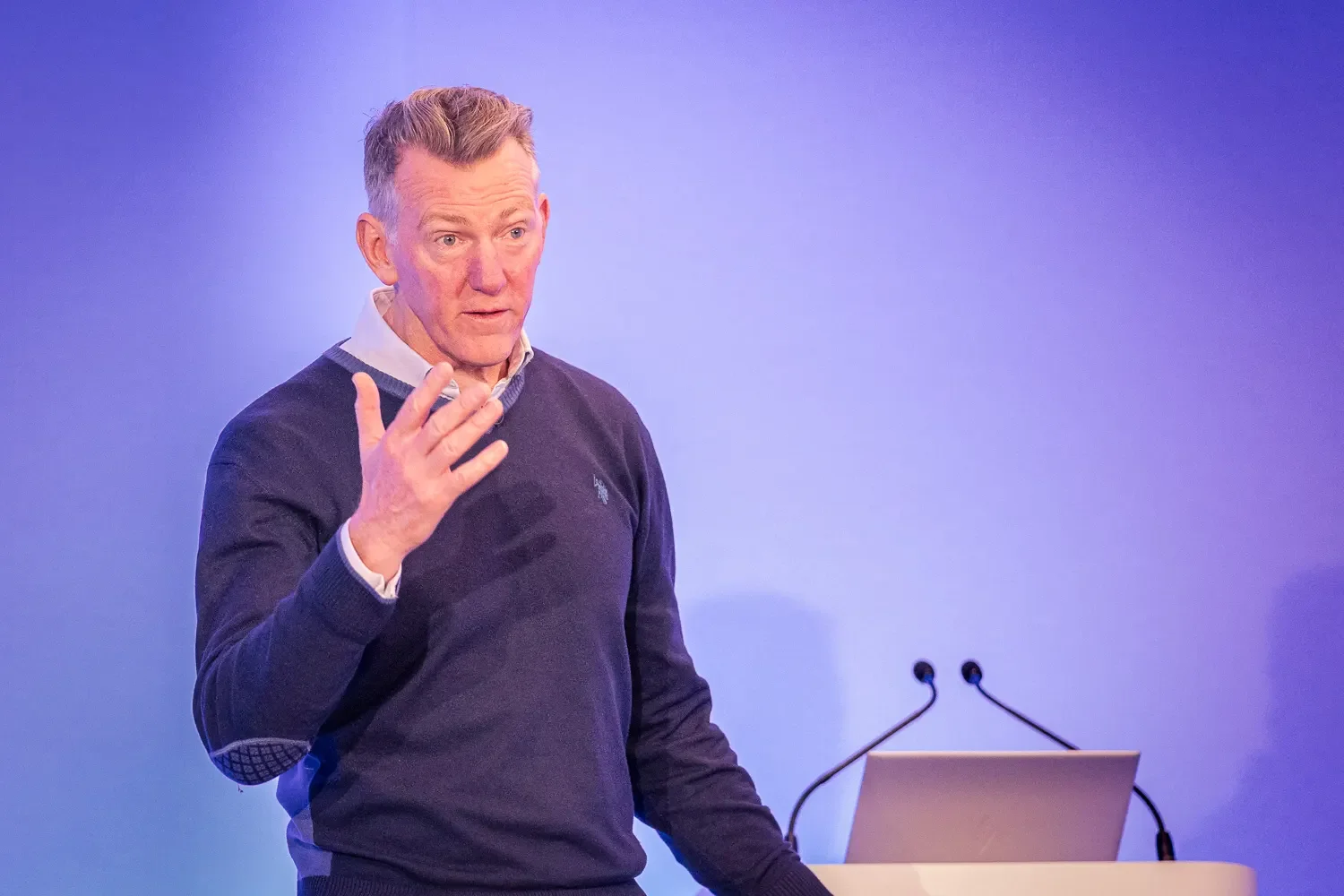
Portrait of Ben Hunt Davis, Olympic Gold Medallist rower on stage giving a keynote presentation at a corporate event, London.
The brief, in short
If you’re planning a corporate event in London and want photography that does the job properly, here is what you need to arrange:
A pre-event call to share the brief, the run of show, and the shot list. Venue access at least 45 minutes before doors open. A clear understanding of what the images are for and where they will be used. A delivery timeline agreed upfront.
The images from that event will be used in ways you have not yet thought of. The slide in next year’s pitch deck. The image on the speaker’s own website. The LinkedIn post that gets shared 400 times. The feature in the industry newsletter. The record that proves it happened.
Get them right.
Ready to talk about your next event?
Take a look at my event photography page to see more work and get in touch.
Mike Dick Photography is based in St Albans, Hertfordshire, and covers corporate events across London and the wider UK. To see more incredible images click this link, event photographer St Albans & Hertfordshire.
Questions people ask about event photography in London
How far in advance should I book an event photographer? For a major conference or full-day event, four to six weeks is sensible. Popular dates, particularly in October and November conference season, can fill earlier. For smaller events, two to three weeks is usually workable.
Can you photograph both the keynote sessions and the networking? Yes. A well-planned day covers both. The brief should include all elements of the event, not just the main stage moments.
Do you photograph at venues I choose, or do you have preferred venues? I photograph wherever the event is. I cover venues across central London and the wider home counties regularly. If you are using a venue I have not worked in before, I will research it in advance.
How many photographers do I need for a large event? For events with multiple simultaneous sessions, a second photographer is worth considering. For most single-room conferences and keynote events, one experienced photographer covers everything needed.
Can I use the images for press and PR as well as internal communications? Yes. Standard usage rights cover both internal and external use, including press, social media, and website. If you need extended commercial licensing, mention it at the briefing stage.