
The shortest portrait session I ever did lasted about 40 seconds.
A board member was in a meeting in the next room. He had a flight to catch and, realistically, less than a minute to spare for his photograph. So I set up in the room next door. I knew exactly where he would stand. I tested every light, stood on his mark myself and took test shots until the lighting was right, then dialled in the camera settings. Everything was ready half an hour before he was due.
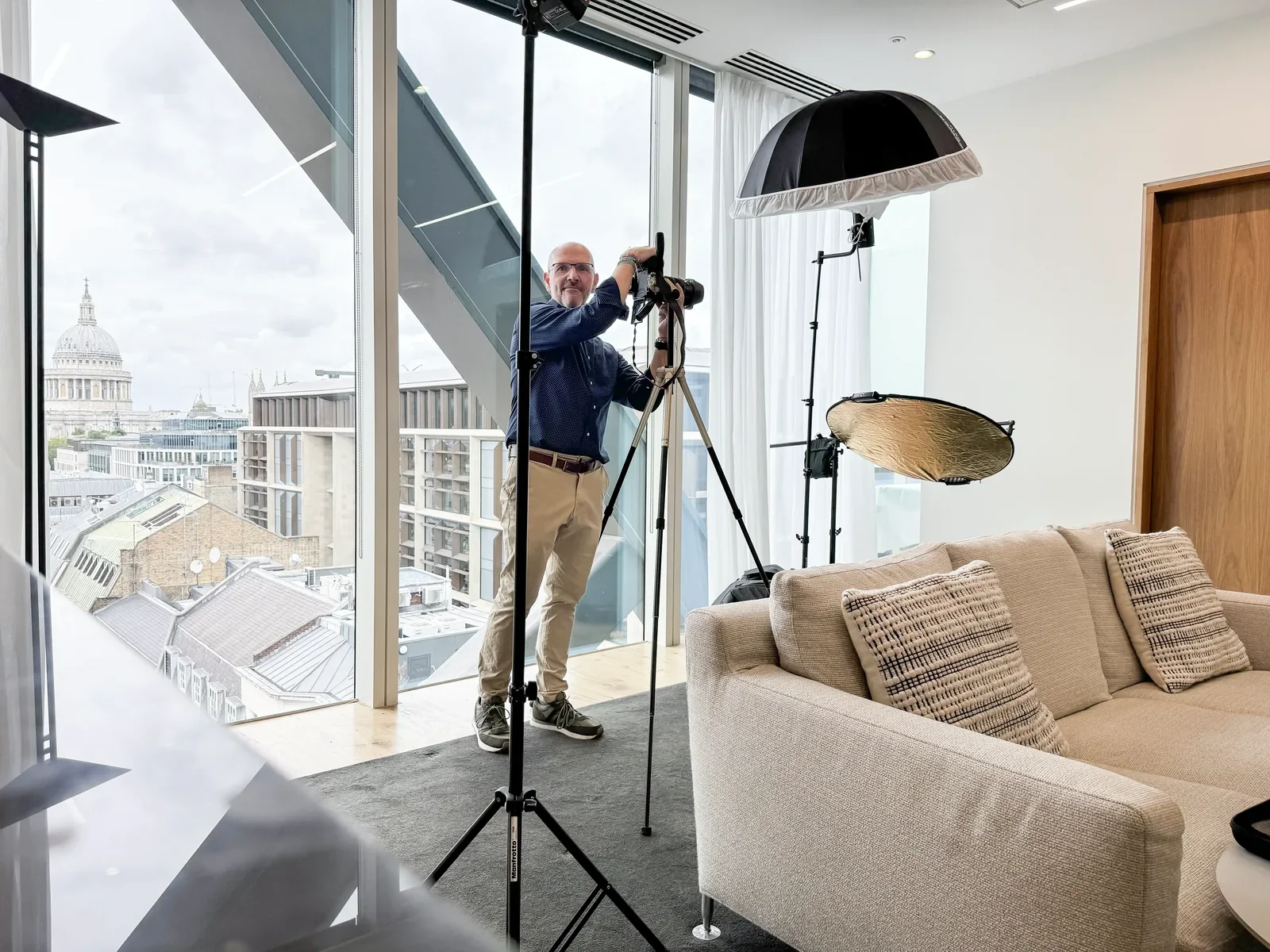
The real work happens before anyone walks in.
When he walked in, all I had to do was say hello, show him where to stand and take five to ten frames. I checked them on the back of the camera before he left, and he was gone. I think he was surprised it was over so quickly. What he didn’t see was the half hour beforehand. That’s where the job was really done.
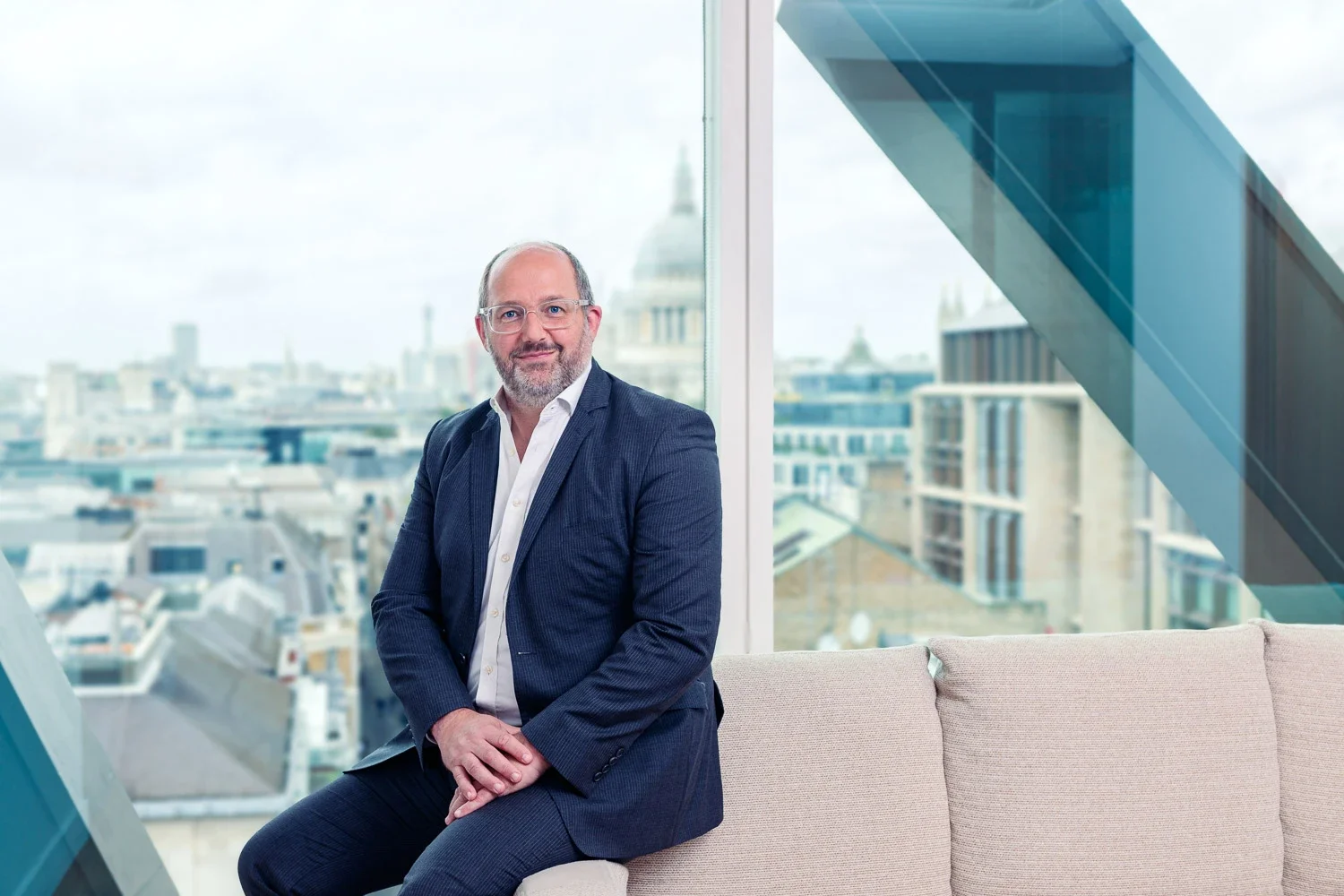
Same room, same window. The finished portrait.
That’s the most honest answer I can give to what an in-house marketing team needs from a photographer: someone who does the work before anyone notices, so the people in front of the camera barely have to do anything at all.
Seventeen years inside a marketing department
From 2007 to 2024 I was the in-house photographer at Columbia Threadneedle Investments, alongside leading design across seven international markets. I wasn’t a supplier the marketing team called in once a year. I sat with them. Their requests landed on my desk, and I averaged around 140 sessions a year.
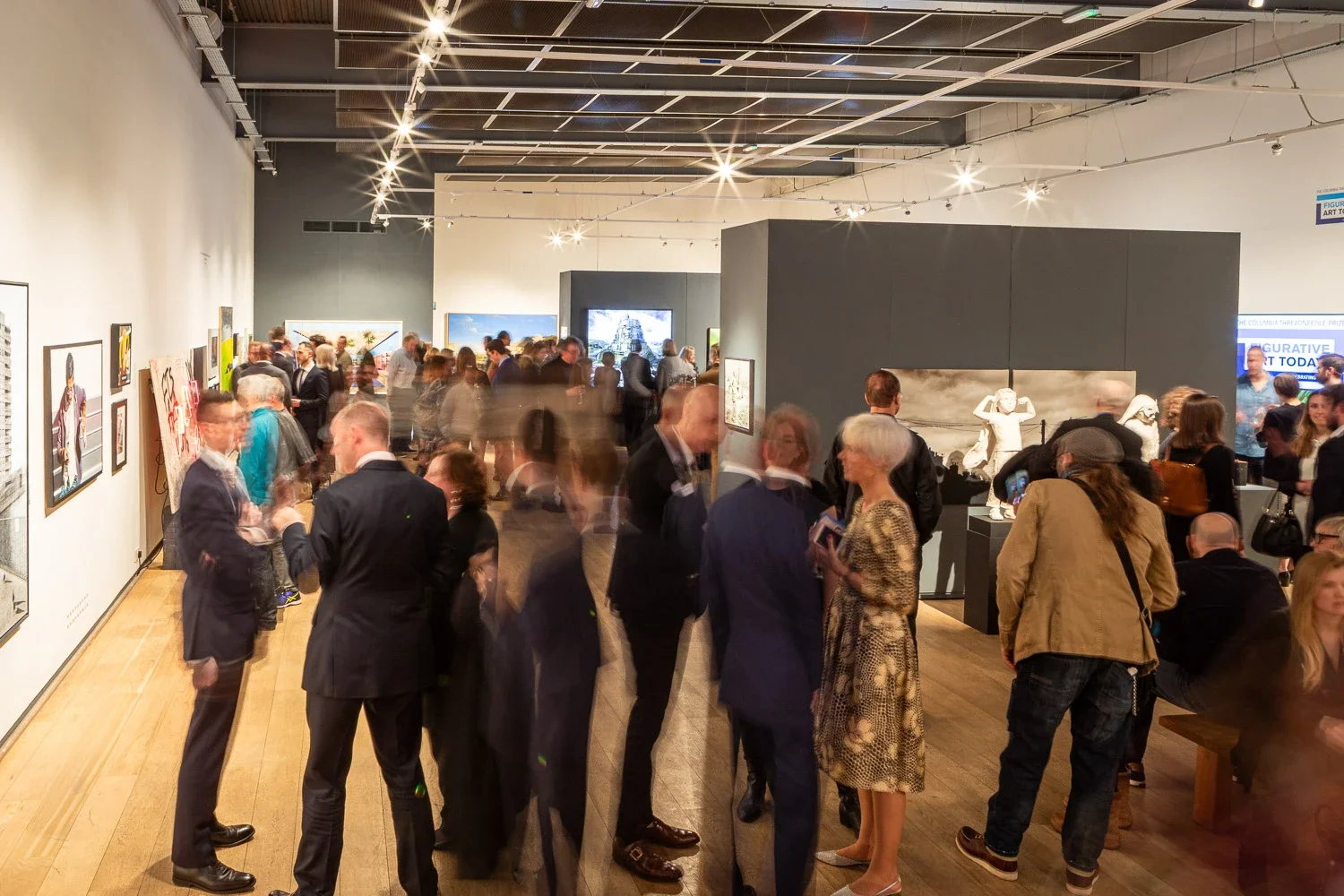
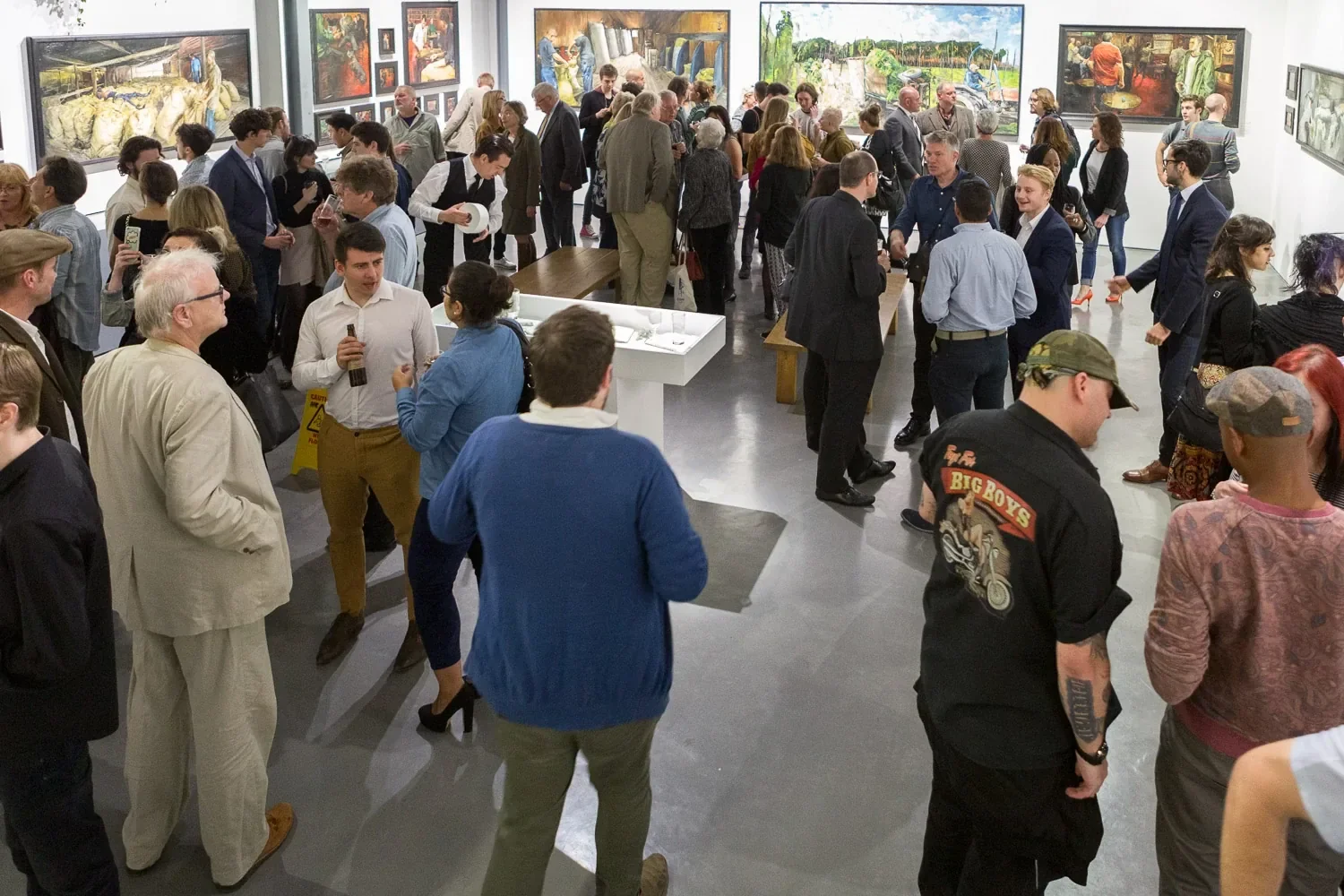
That covered almost everything a global firm photographs: headshots and portraits, environmental and team shots, town halls, offsites and away days, award ceremonies, exhibitions and art prizes, charity and sponsorship events, buildings, interns, and more than one morning at the London Stock Exchange.
So I know the job from the inside. Not just what a marketing team asks for, but what it never says out loud. Here’s what that list actually looks like.
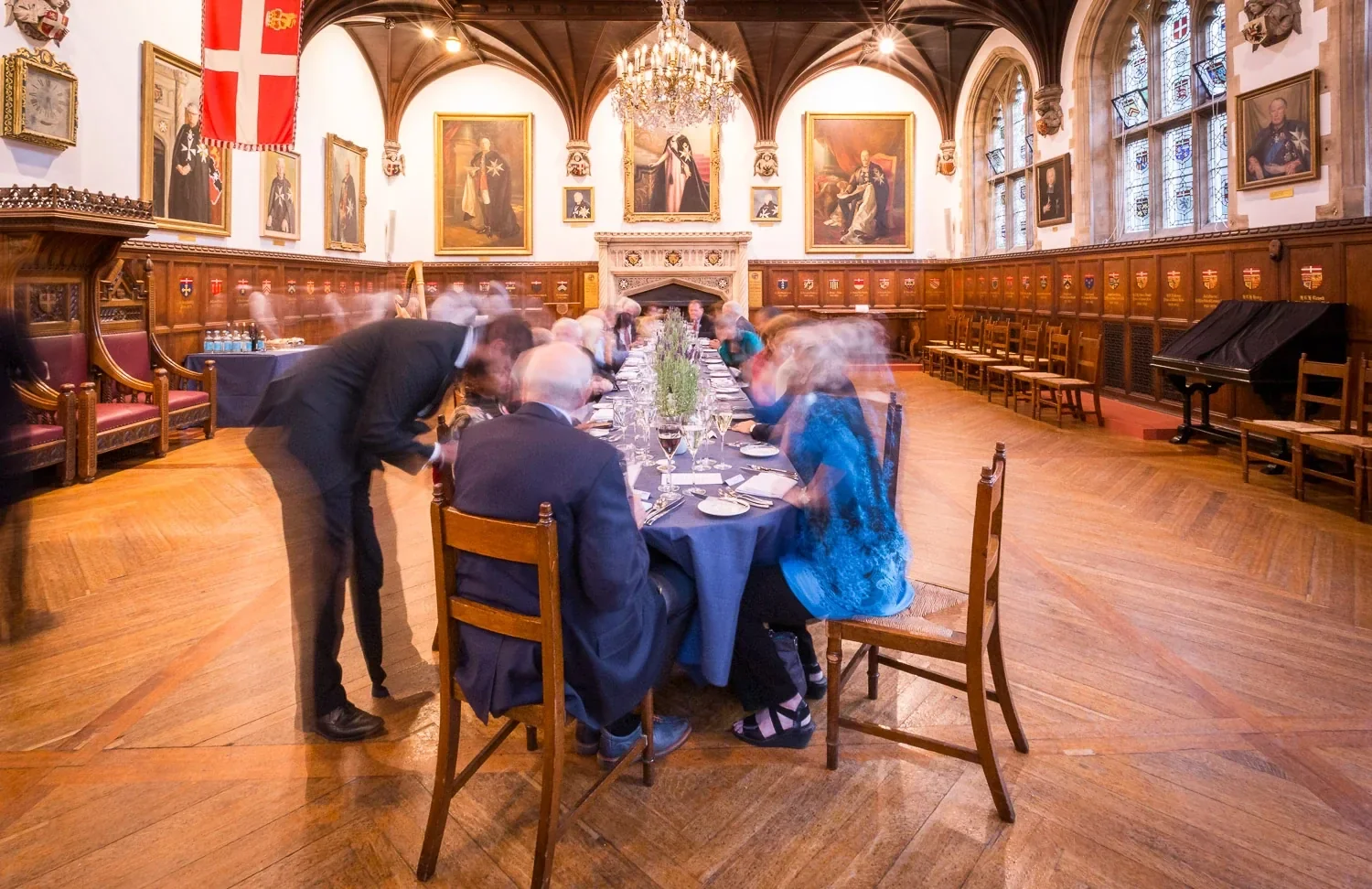
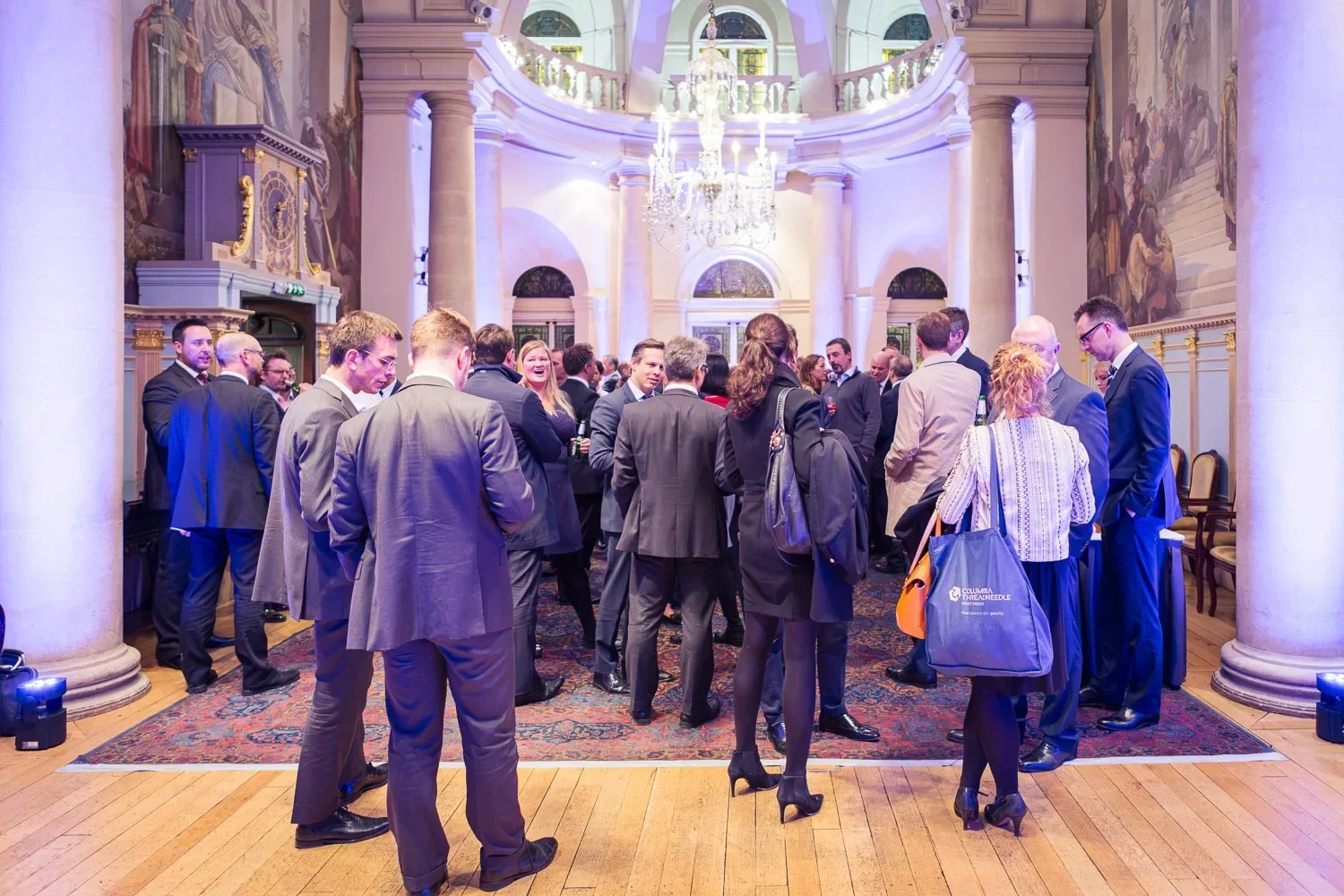
What a marketing team really needs
1. Preparation, so senior people never wait
Senior people’s time is the hardest thing in any firm to get hold of. The marketing team has usually fought to get those minutes in the diary. If the photographer spends the first ten of them setting up lights, it’s the marketing team that looks disorganised. See the room beforehand, set up early, test the lighting on a stand-in, and have a plan for when the slot shrinks. It nearly always does.
2. Brand guidelines followed without a reminder
Most firms have rules for their photography: how people are lit, what sits behind them, how tight the crop is, how warm or cool the colour feels. A busy marketing team doesn’t have time to check every shoot against them. I helped lead the design on the firm’s 2023 global brand refresh, so I’ve been on the side that writes those rules. A good photographer reads them before the shoot, not after the first round of feedback.
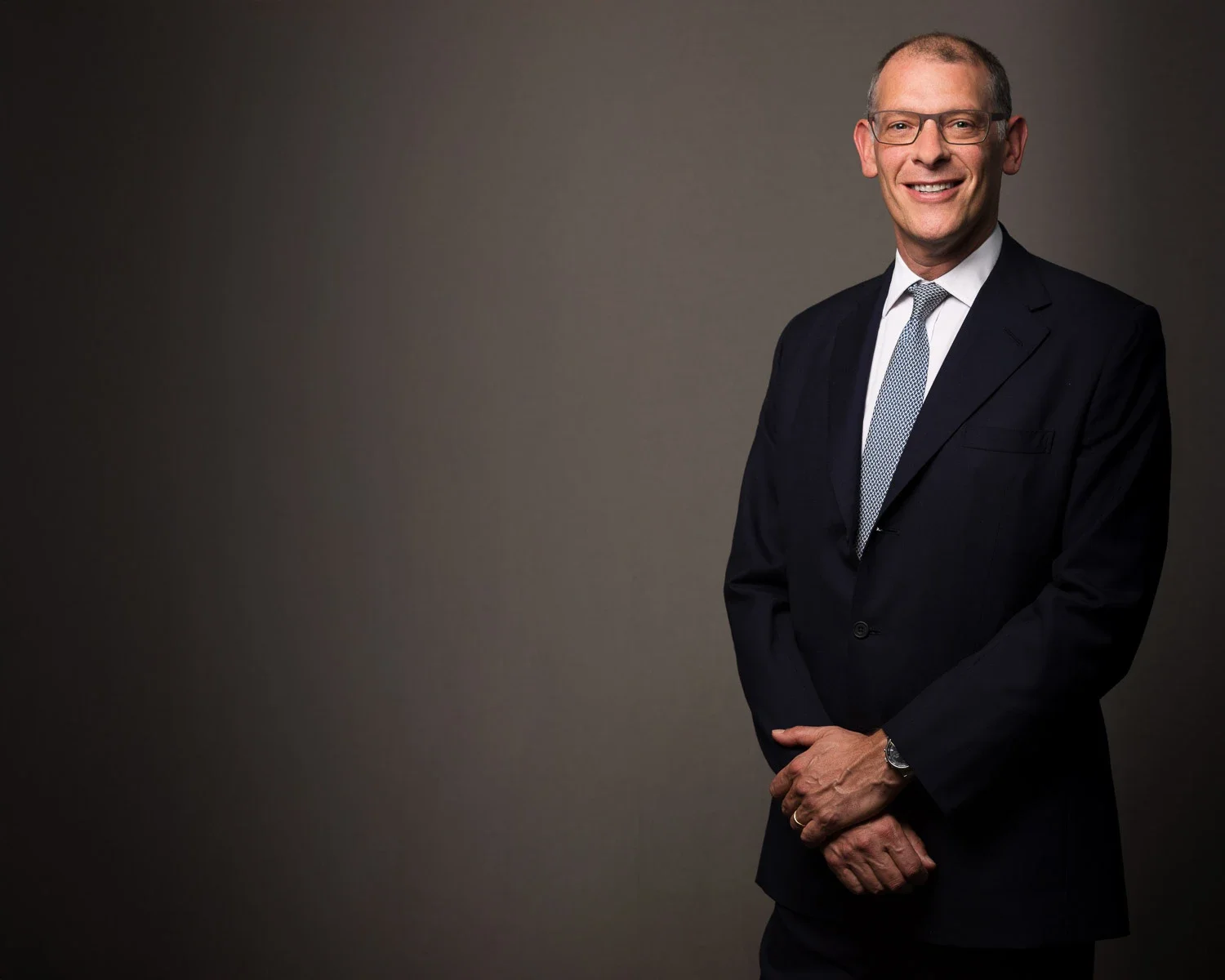
A clean, consistent portrait for the leadership page.
3. Pictures that still match two years later
A headshot taken this spring has to sit next to one taken two years from now on the same web page. Same light, same background, same crop. That only happens if the photographer keeps notes on the set-up and can rebuild it exactly. I’ve written separately about how I keep office team headshots matching as new people join.
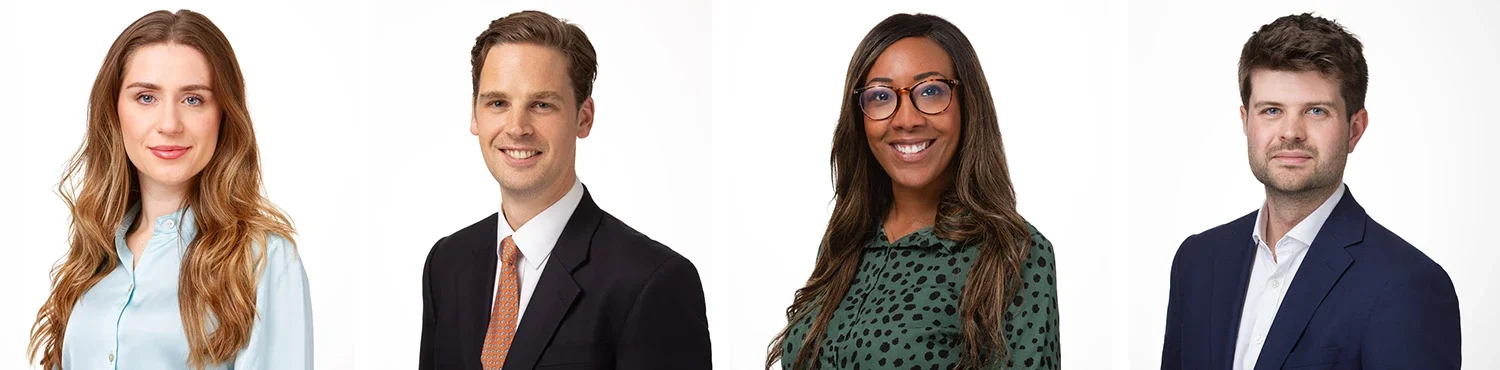
Same light, same crop, whenever they were taken.
4. Images that work on every channel
One shoot ends up on the website, LinkedIn, the annual report, a press release, a slide deck and, sooner or later, a pull-up banner. So I leave room around the subject: enough to crop tall for print, wide for a web banner and square for social. If a picture only works one way, the team is stuck with it.
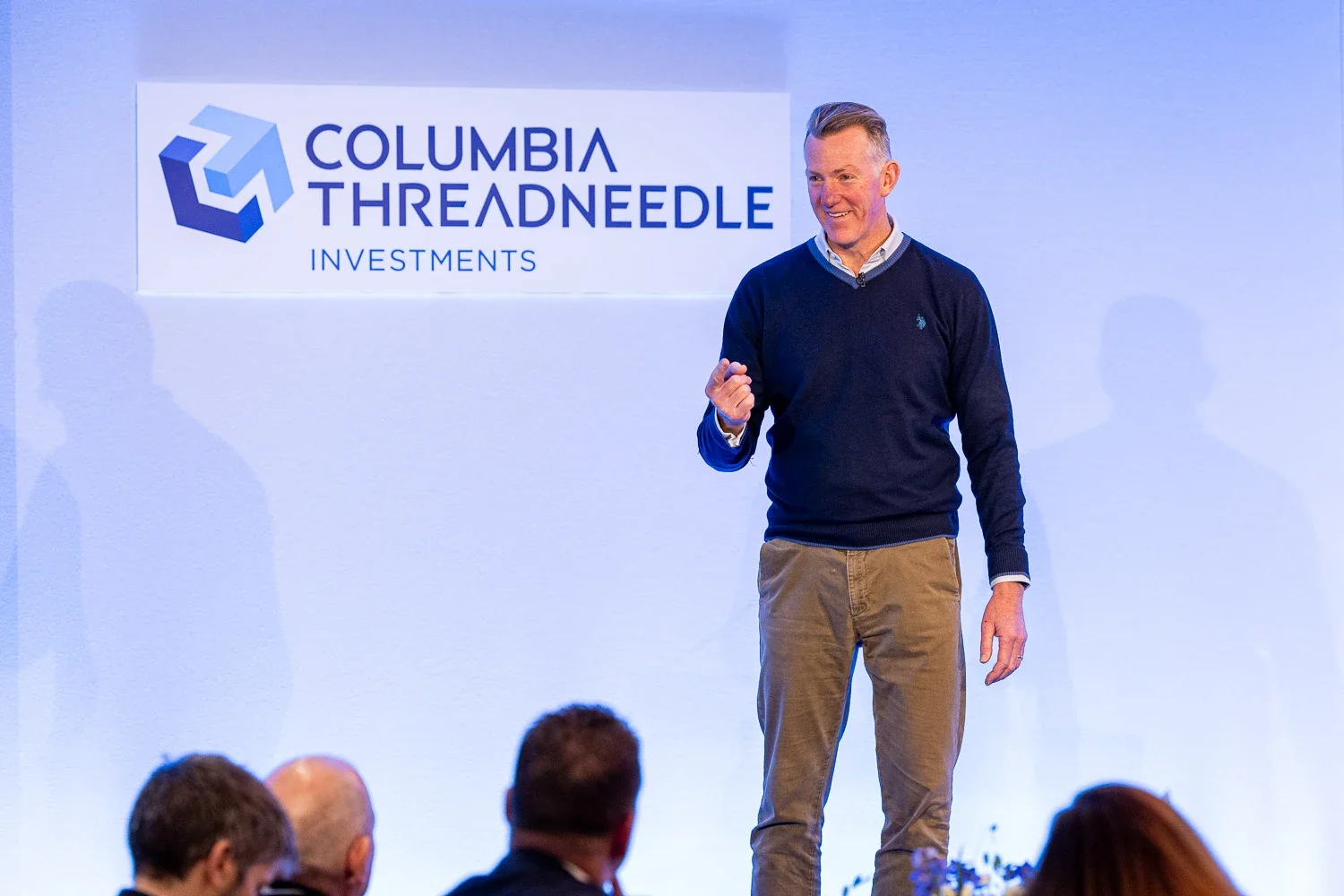
Plenty of room to crop tall, wide or square.
5. Discretion in a regulated business
Financial and legal firms are careful about what appears in a frame, and for good reason. A screen in the background, a whiteboard, papers on a desk, a name badge. I check all of that before I press the shutter, so nothing has to be retouched out later or the shot thrown away. At events, it also means knowing who is happy to be photographed and who isn’t.
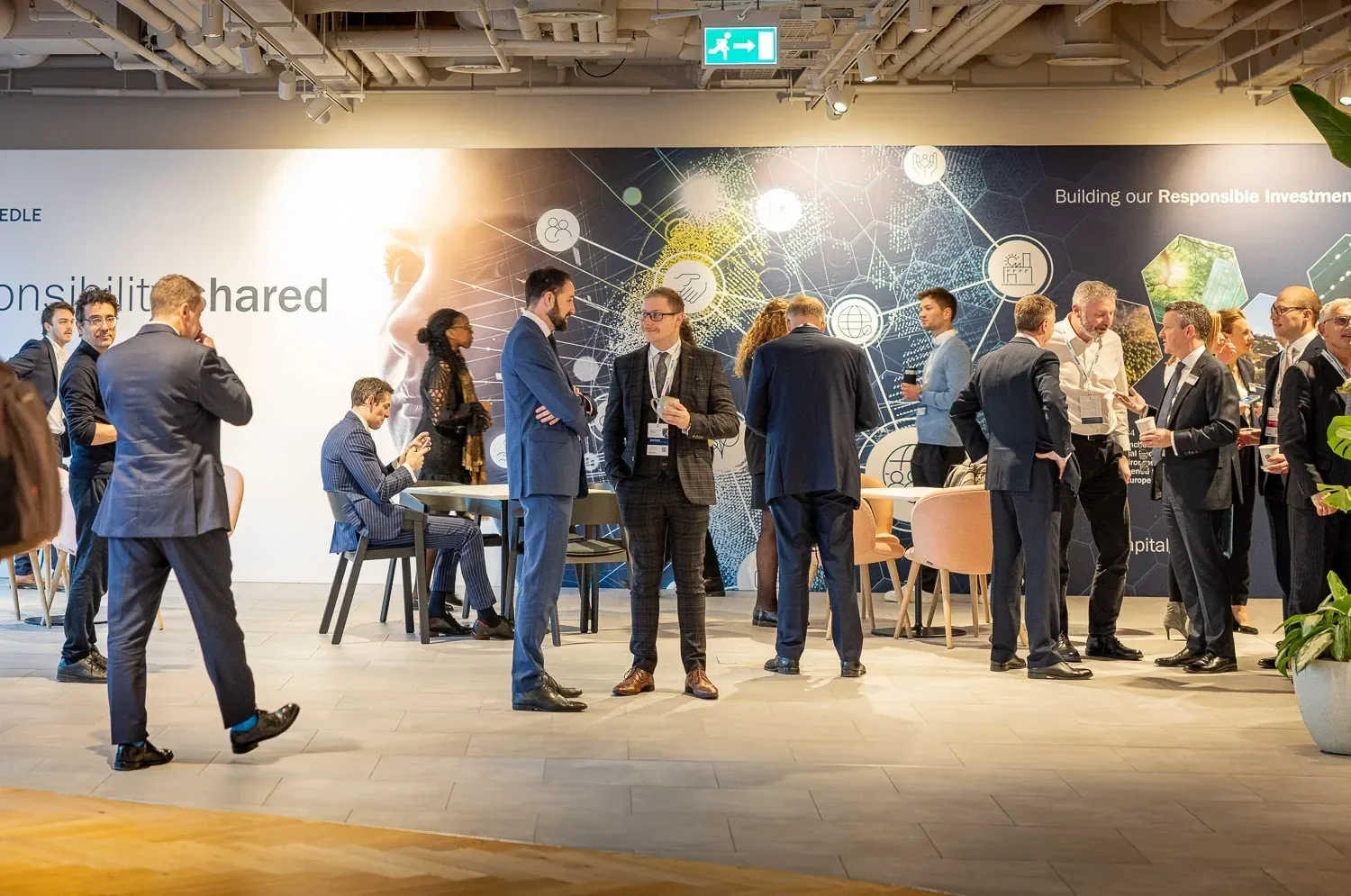
Clean background, nothing in frame that shouldn’t be.
6. Working alongside the film crew
Bigger events often have a video crew as well, with cameras on tripods in the best spots in the room. A good photographer agrees positions with the crew before the first speaker starts, stays out of their shot, and still gets every angle the marketing team needs. Nobody wants the photographer’s head in the middle of the conference video.
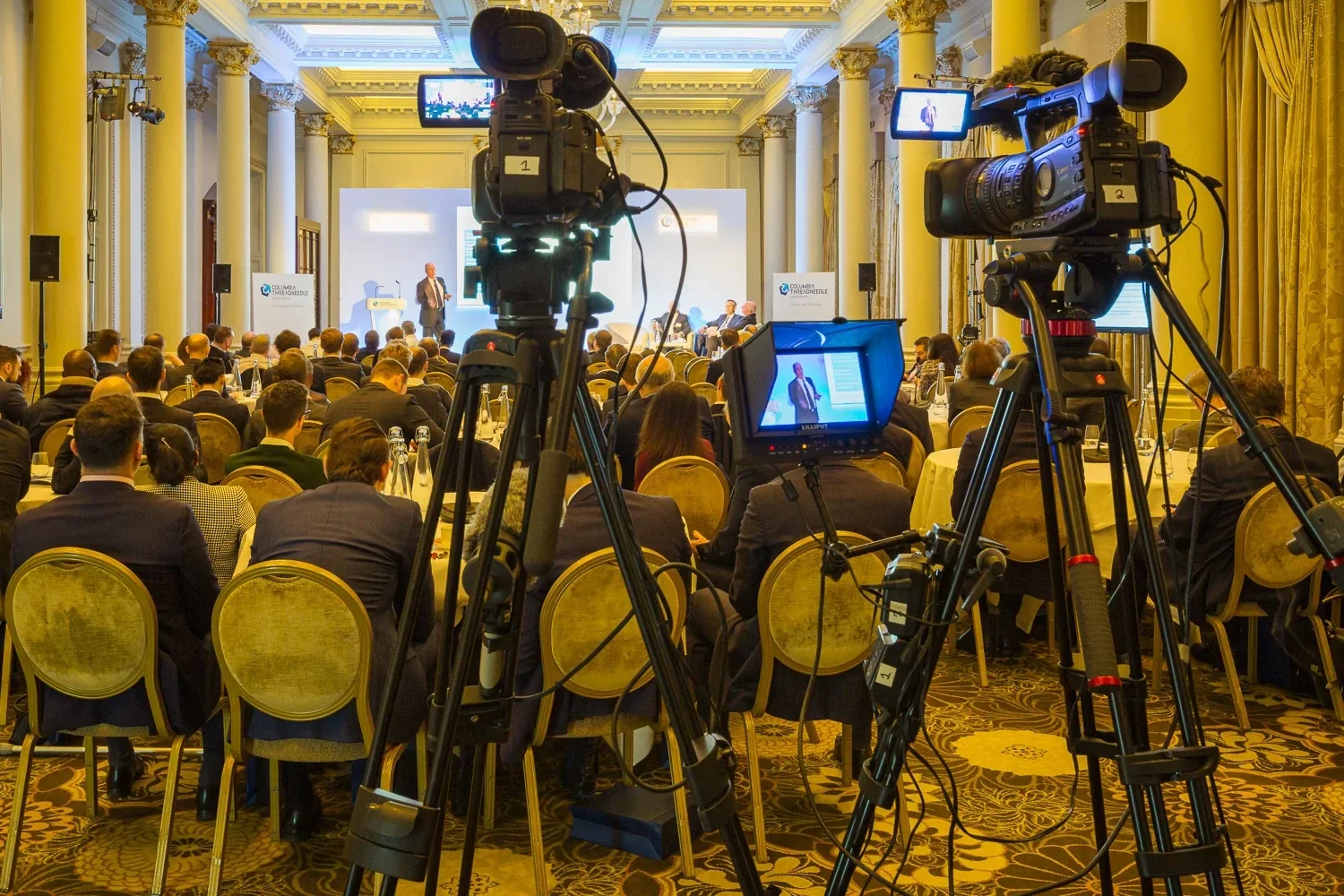
Two video cameras, one photographer, nobody in anyone’s shot.
7. Agreed timings, so the news doesn’t go cold
Event photos are worth most the morning after the event, not two weeks later. So before the day, we agree what’s needed first and when, for example a small selection for LinkedIn and the full set to follow. No surprises, no chasing.
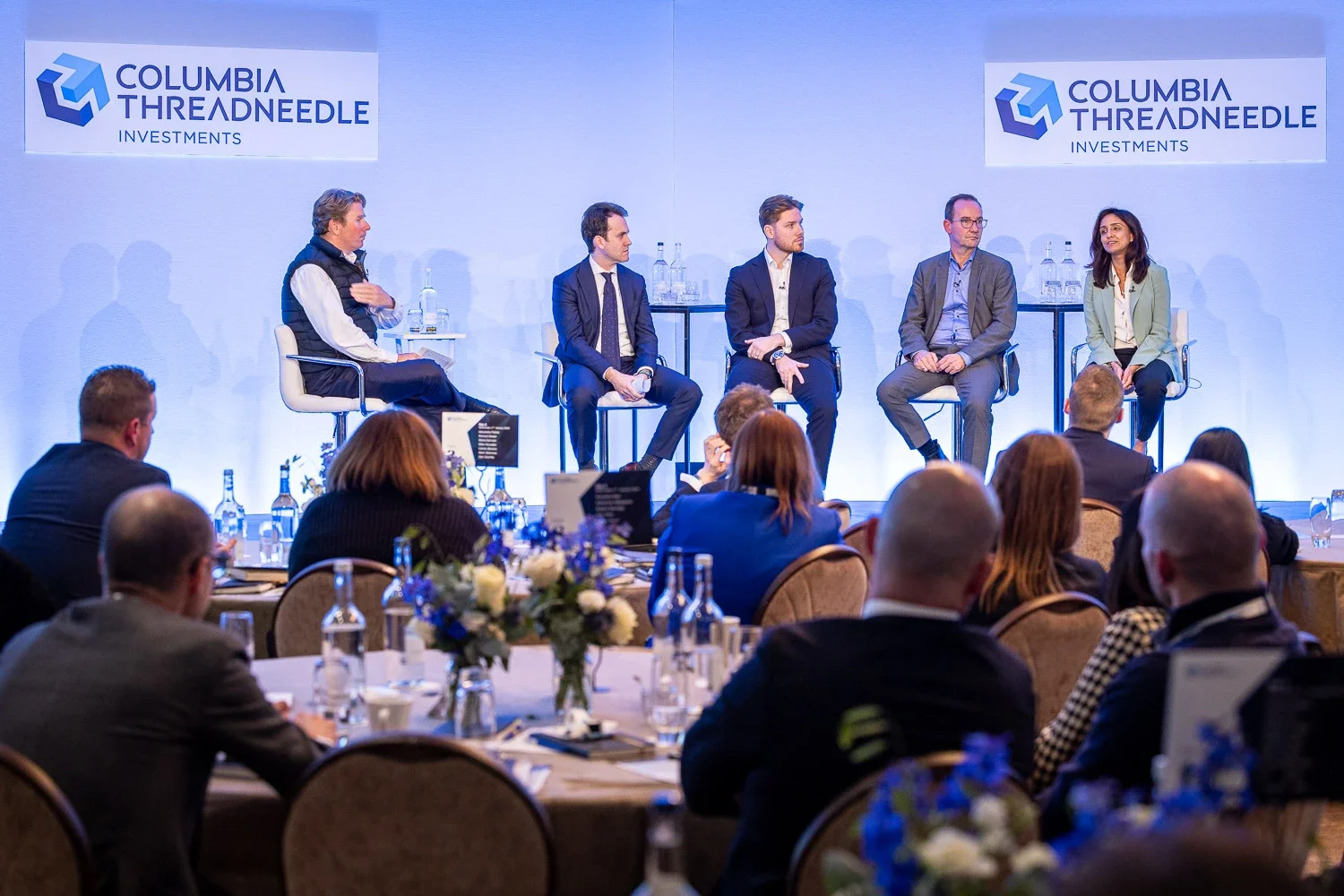
The shot that’s needed on LinkedIn the next morning.
8. Someone who puts people at ease
Most people at a corporate shoot would rather be anywhere else. The nervous intern, the partner who hates having his picture taken, the speaker running late. A calm, quick and friendly session matters far more than the kit in my bag. People who relax look like themselves, and that’s what the marketing team wants on the website.
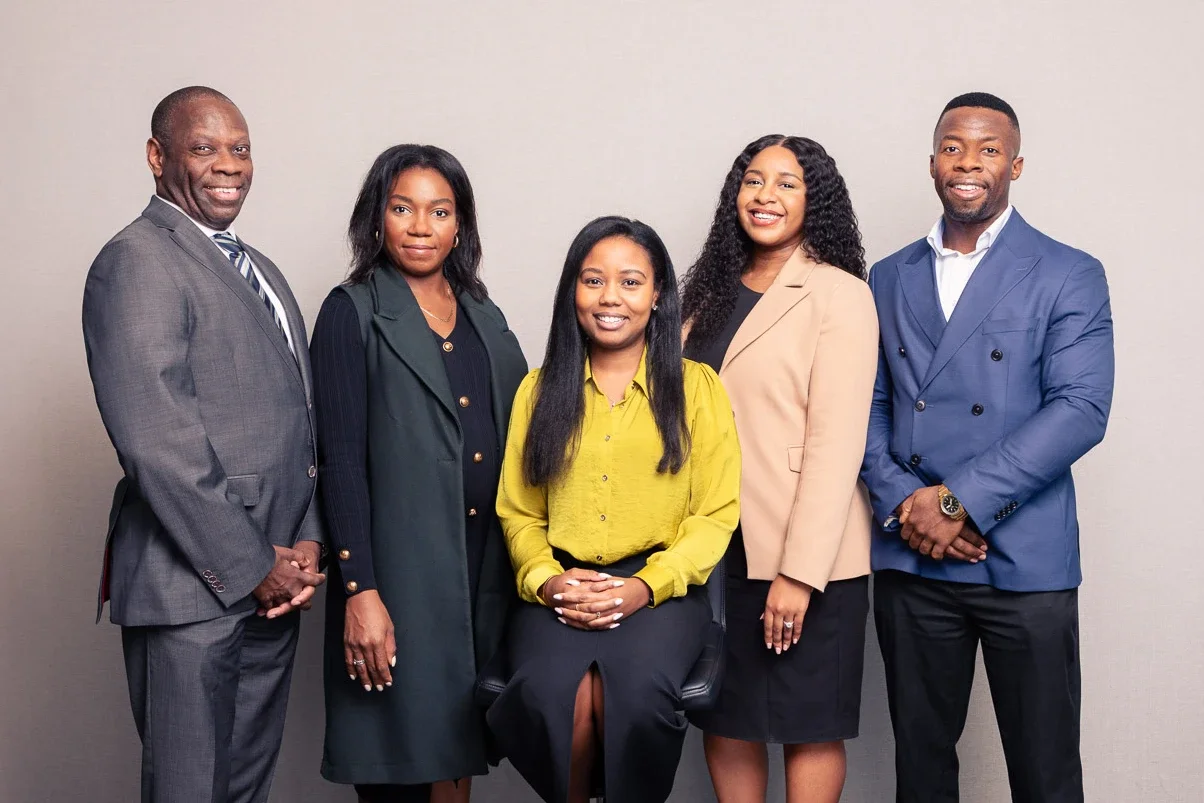
Relaxed people look like themselves.
What all that preparation gives you
Back to the board member. He got a portrait he was happy with, the marketing team got the image it needed, and nobody missed a flight. Repeat that across 140 sessions a year and you start to see why the unglamorous parts matter most.
For an in-house team, a good photographer isn’t just someone who takes nice pictures. It’s someone who makes the marketing team look organised in front of the people it works for.
Working with your marketing team
These days I bring the same approach to businesses across St Albans, Hertfordshire and London, from a single headshot to a full event day. If you’re on a marketing team and you need a corporate photographer St Albans and London firms can rely on, get in touch and tell me about your next shoot. I’ll ask the questions your senior people won’t have time for.
Questions marketing teams ask
Do you work with in-house marketing teams outside St Albans?
Yes. I’m based in St Albans and regularly work across Hertfordshire and in London. Further afield is fine too; just ask.
Can you follow our brand photography guidelines?
Yes. Send them over before the shoot, along with a few images you like and a few you don’t. I'll set up to match, and keep the notes so the next shoot matches too.
Can you match headshots taken by a previous photographer?
Usually, yes. Send me a few of the existing images and I’ll rebuild the lighting, background and crop as closely as possible, then record the set-up for next time.
How quickly can you deliver event photos?
We agree it before the day. A small selection for social media can come first, with the full curated set following usually within 24 hours.
How much time do you need with senior people?
Very little, if I can set up beforehand. I’ll prepare the room and test the lighting in advance, so a senior person may only need a few minutes. My record is about 40 seconds.