
Corporate event photography – what it takes to get it right
A guide for businesses in Hertfordshire, St Albans and London planning conferences, awards evenings, product launches and networking events
A corporate event takes months to plan. The venue, the speakers, the catering, the branding, the guest list. Weeks of logistics compressed into a single day that, once it's over, exists only in the memories of the people who were there, and in the photographs.
That's a lot of pressure to put on a set of images.
Done well, event photography extends the life of your event far beyond the day itself. It gives your marketing team content for LinkedIn, your website, your press releases and your next event campaign. It shows prospective clients and future attendees what your events actually look and feel like. It reinforces your brand's credibility in a way that words alone simply can't.
Done poorly, or not done at all, and that investment disappears without a trace.
This is what professional corporate event photography involves, what to look for when you're choosing a photographer, and what working with me actually looks like in practice.
What corporate event photography actually covers
The term covers a wide range of events, and each one has its own demands.
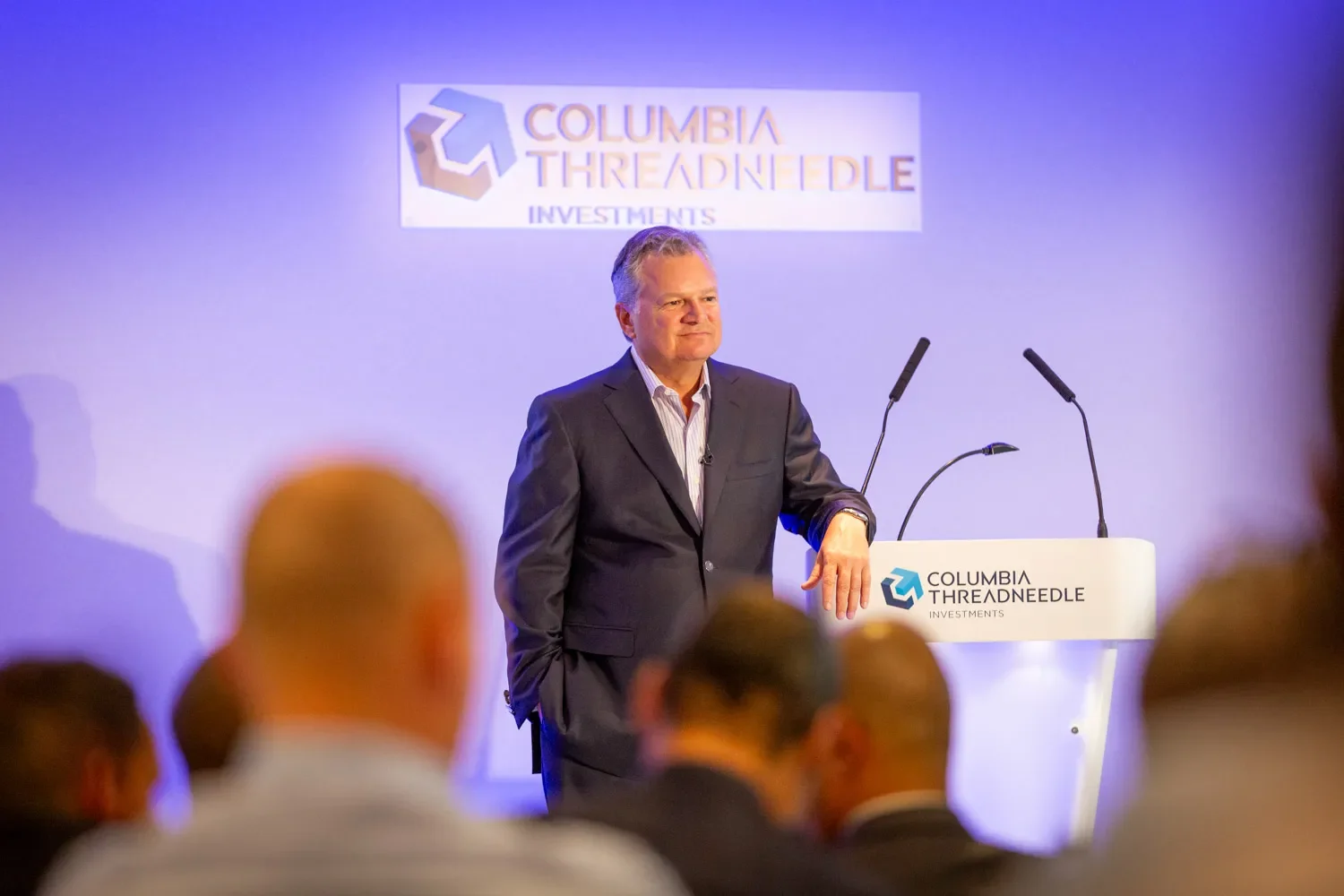
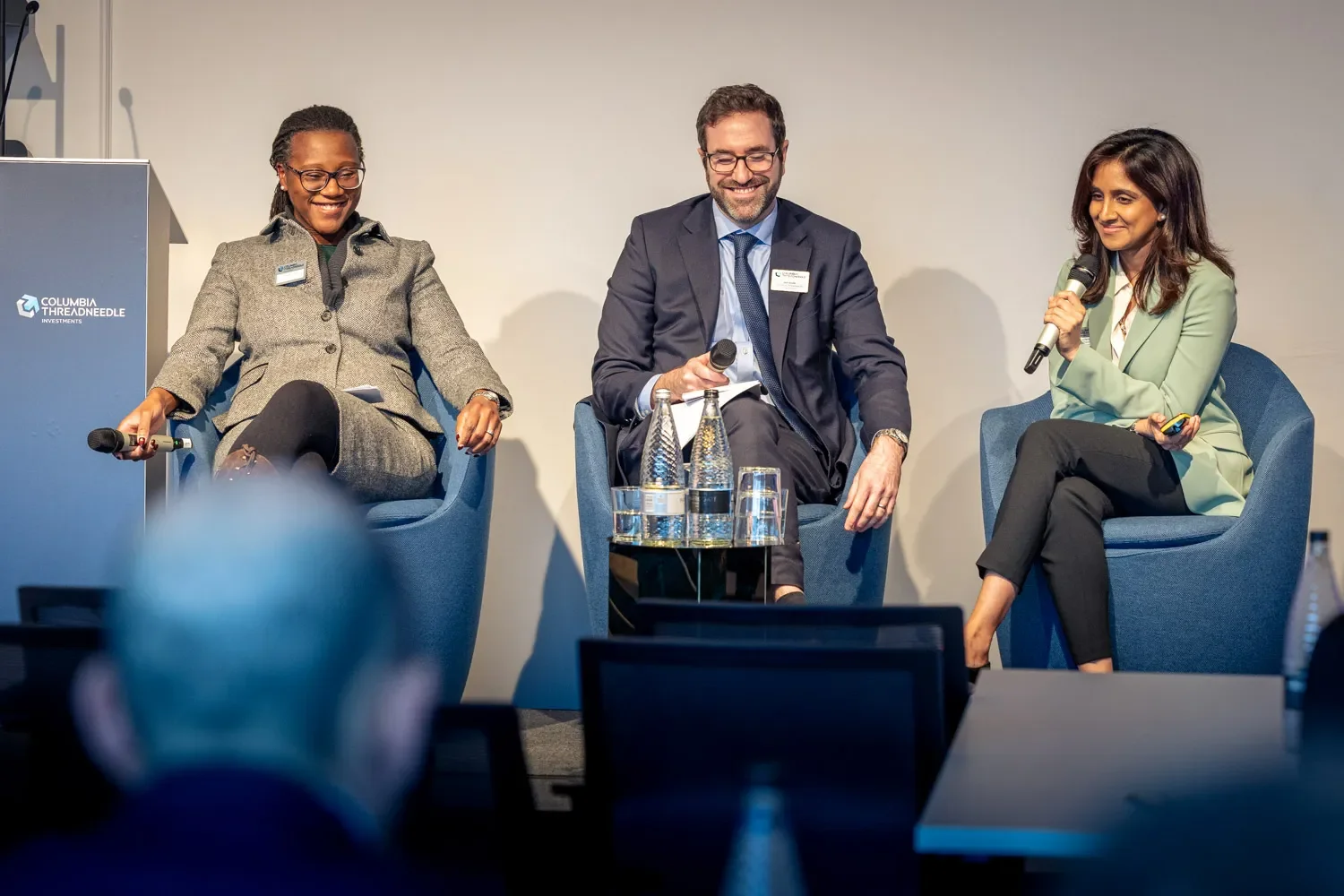
Conferences and seminars require a photographer who can capture speakers without disrupting the flow of the session, work in challenging stage lighting, and produce images that make a busy conference room look credible and well-attended. Getting that wrong, a blurry speaker, a badly lit stage, an empty-looking room, is worse than having no images at all.
Awards evenings and corporate dinners are about the moments between the formality. The winners. The reactions. The conversations at the table. The detail of the centrepieces, the branded backdrop, the room at its best before the first course arrives. These events move quickly and the key moments are often fleeting, a photographer who isn't anticipating them will miss them.
Product launches and brand activations demand a different approach again. The photography needs to serve the brand story. Every frame needs to look deliberate. Key messaging, branded environments, product details, and the energy of the room all need to come together in a set of images that can go directly into a campaign.
Networking events are perhaps the most undervalued category. They look straightforward but they're not. The goal is to capture genuine interaction and atmosphere, not a series of stiff handshake shots that make everyone look uncomfortable. The difference between networking photography that works and networking photography that doesn't comes down entirely to the photographer's ability to move through a room unobtrusively and anticipate natural moments.
What I bring to a corporate event brief
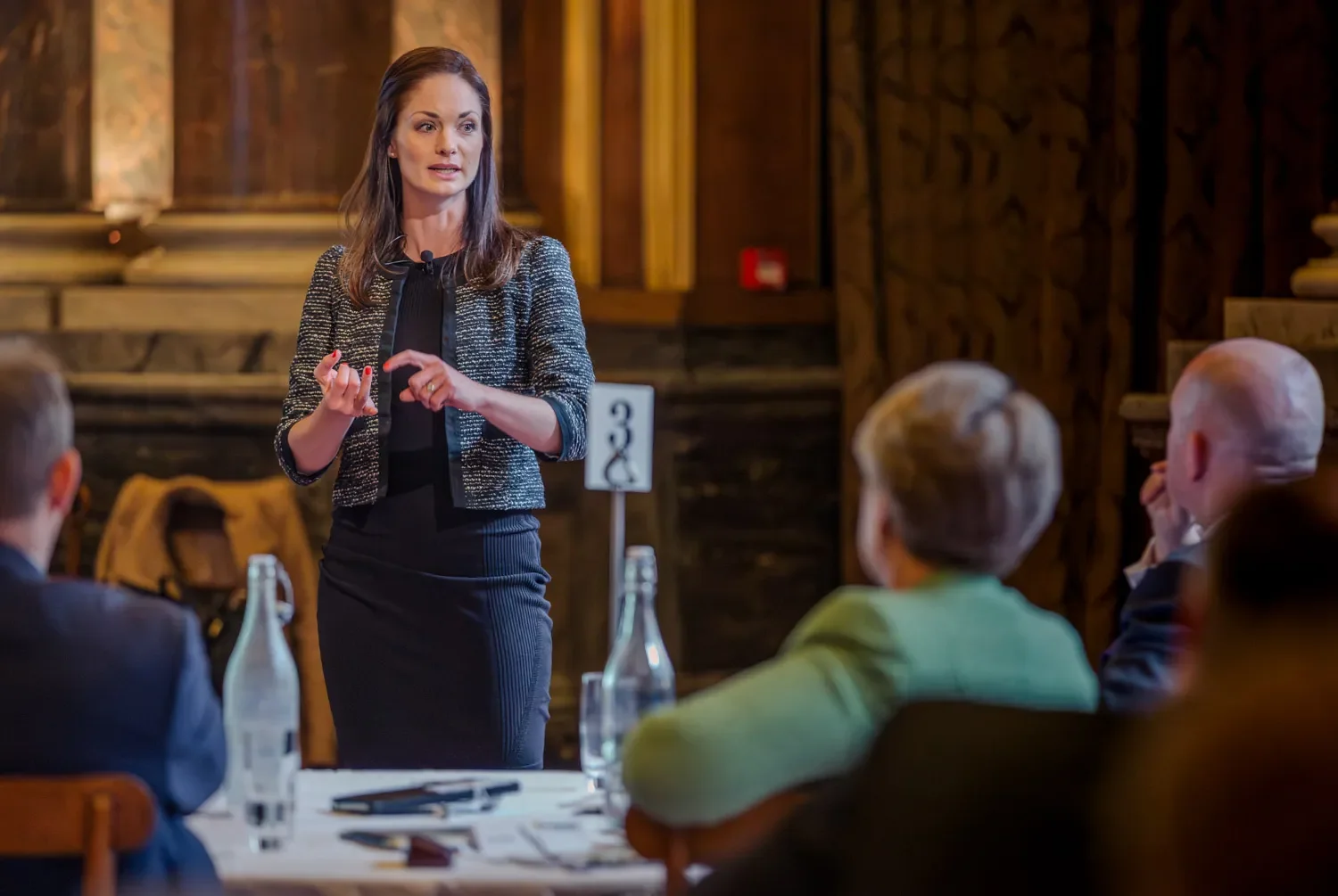
I spent seventeen years as a global creative lead at Columbia Threadneedle Investments, running photography projects, commissioning photographers, and building an in-house photography studio that averaged 140 sessions a year. Before that, I built the in-house design function at Hogan Lovells from scratch.
I understand corporate environments from the inside. I know what a marketing director needs from a set of event images. I know how a chief executive wants to be photographed, and equally how they don't. I know what a branded venue should look like on camera, and how to make a room of fifty people look like the right size rather than either empty or overcrowded.
That background shapes everything about how I work. I arrive prepared. I understand the brief before I pick up the camera. I work quietly and efficiently without needing to be directed around the room. And I deliver images that are ready to use, edited, properly exposed, and consistent in quality from the first frame to the last.
Working in available light – and why it matters
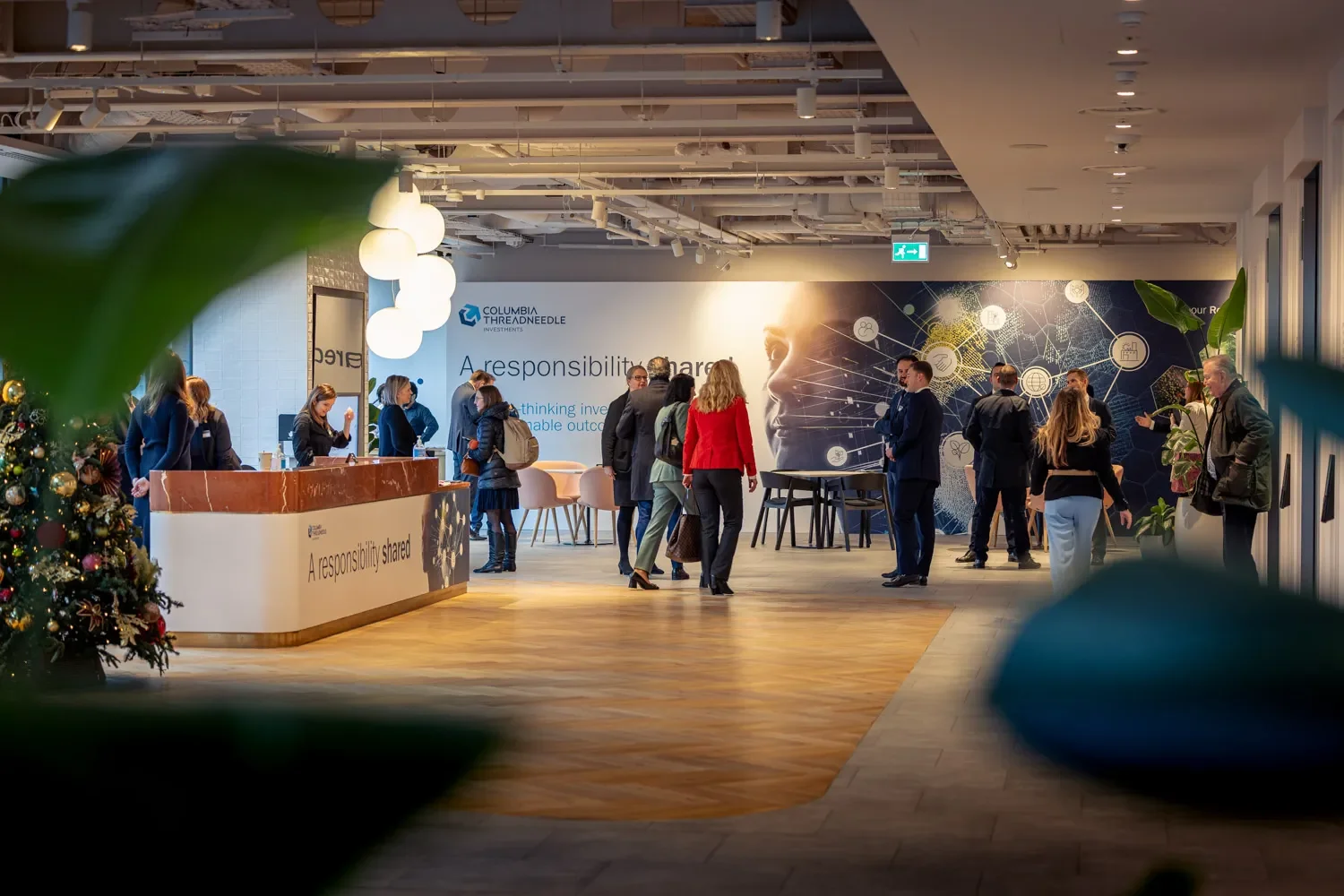
One of the most common challenges in corporate event photography is lighting. Conference venues, hotel ballrooms and branded spaces are rarely lit with photography in mind. Stage lighting is often too warm, too directional, or creates harsh shadows. Ambient room lighting is frequently too low, too mixed, or simply the wrong colour temperature.
An experienced event photographer works with what's there rather than fighting it. That means understanding how to expose correctly for stage lighting, how to balance flash with ambient light in a way that looks natural rather than artificial, and how to move around a room without disrupting proceedings to find the angles where the light actually works.
I don't use intrusive lighting rigs at corporate events. I work with a small, discreet setup that gives me the flexibility to move quickly and remain unobtrusive, which is exactly what a professional event requires.What to expect on the day
What good event photography delivers for your business
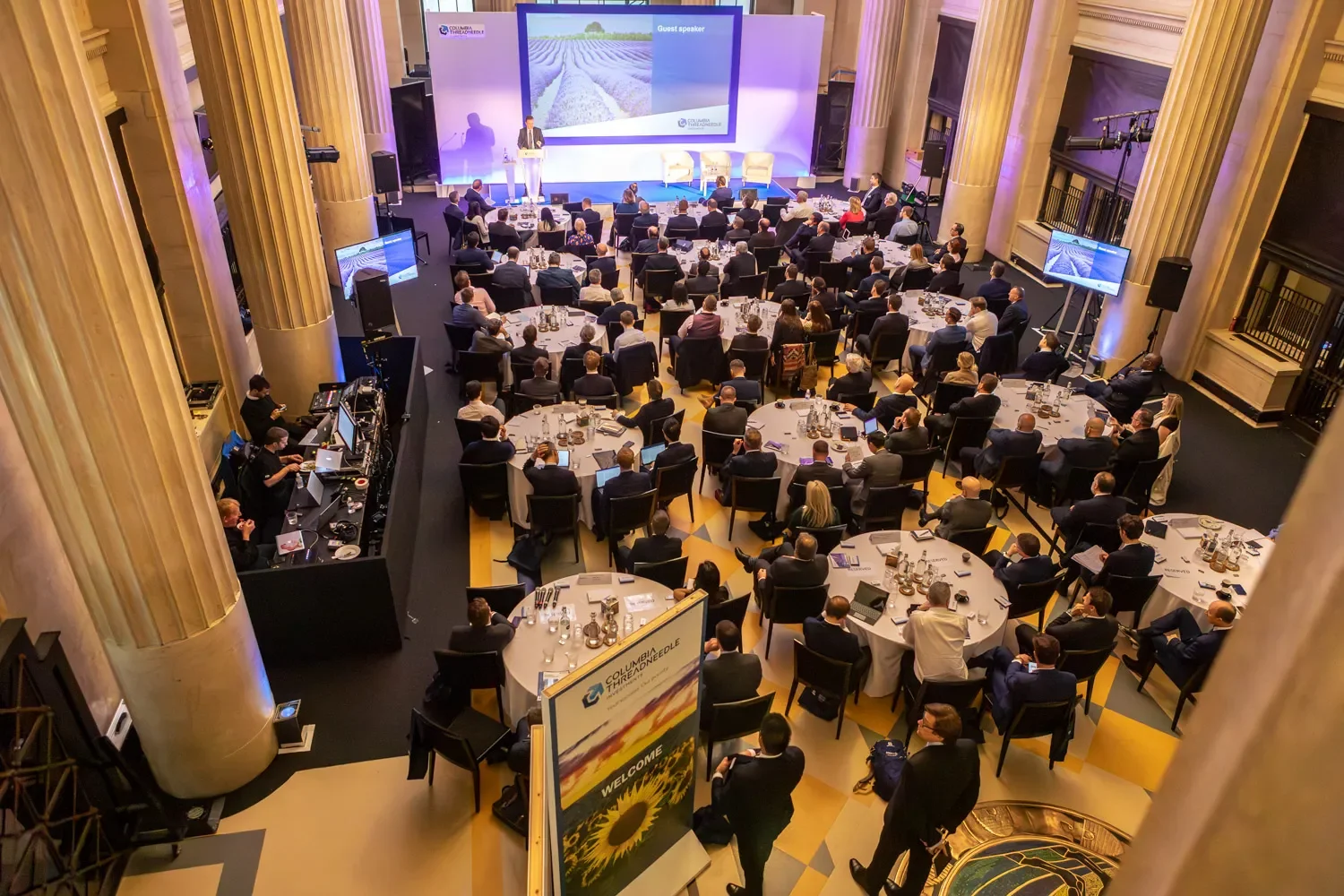
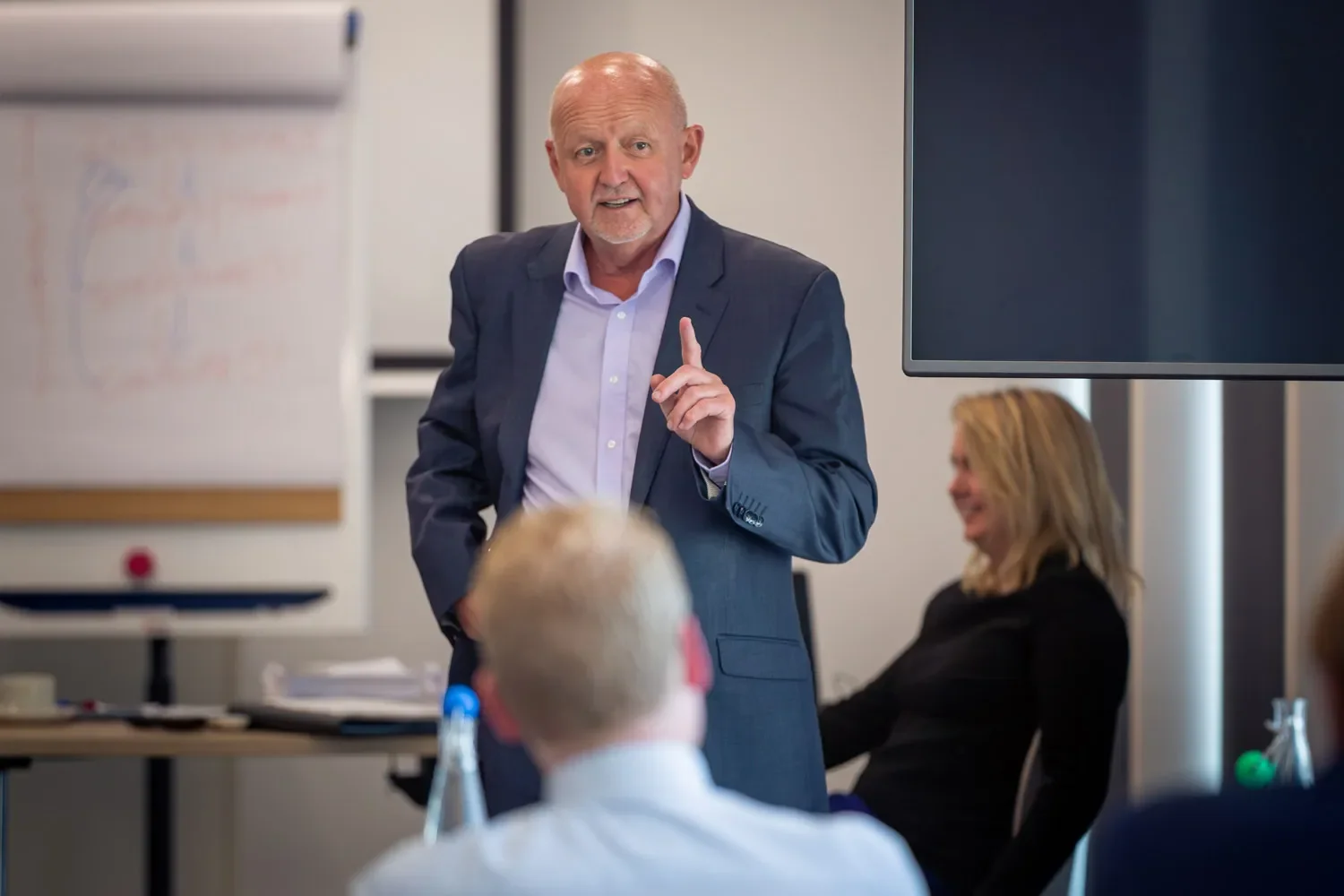
The images from a well-photographed corporate event are not a nice-to-have. They are a marketing asset with a long shelf life.
Your LinkedIn company page needs content. A strong set of event images, speakers on stage, delegates engaged, your brand visible in the environment, performs consistently well as organic content and drives meaningful engagement from exactly the audience you want to reach.
Your website needs social proof. Images of real events showing real people in professional contexts communicate credibility in a way that stock photography never can.
Your next event needs promotion. The best way to sell attendance at a future conference or awards evening is to show people what the last one looked like. A set of images that captures the atmosphere, the quality of the venue, and the calibre of the audience does that job better than any copy.
Your PR and press coverage needs visuals. Editors and journalists need images to run a story. Supplying high-quality, professionally shot photographs alongside a press release significantly improves the chance of coverage.
What to confirm before you book
If you're in the process of choosing an event photographer, there are a few things worth establishing clearly before you commit.
Make sure you see portfolio work from events comparable to yours in scale and type. A photographer with a strong portfolio of small networking events may not have the experience to handle a 300-person conference. Ask to see specific examples rather than a general highlights reel.
Confirm turnaround times upfront. Some events need a fast turnaround for social media – 24 to 48 hours is achievable and I'm happy to prioritise a first delivery for social content when that's needed. Confirm this before the day rather than afterwards.
Understand image licensing clearly. You should own full rights to use the images across all your marketing channels without restriction. Always confirm this in writing before you book.
Discuss the brief in detail before the event. A good event photographer wants to know who the key speakers are, which moments are non-negotiable, what the brand priorities are, and whether there are any sensitivities around specific people or areas of the venue. The more information I have going in, the stronger the images coming out.
“Mike has worked on numerous corporate projects with me over many years, covering everything from senior executive portraits, media events, conferences, employee engagement campaigns, charity and sponsorship events/campaigns, annual reports and other publications. He is a consummate professional who brings ideas and enthusiasm to the creative brief, along with technical proficiency, attention to detail and great client service. I have been delighted by the results of his work many times and he is always a pleasure to work with.”
Based in St Albans, covering Hertfordshire and London
I work with businesses across Hertfordshire, St Albans, Harpenden, Hemel Hempstead, Watford and London. Whether you're hosting a small leadership breakfast in St Albans or a 400-person awards ceremony in a City of London venue, I'd welcome a conversation about your brief.
To view other examples of incredible events I’ve photographer, click here.
Get in touch to discuss your event, your timings and what you need from the photography.